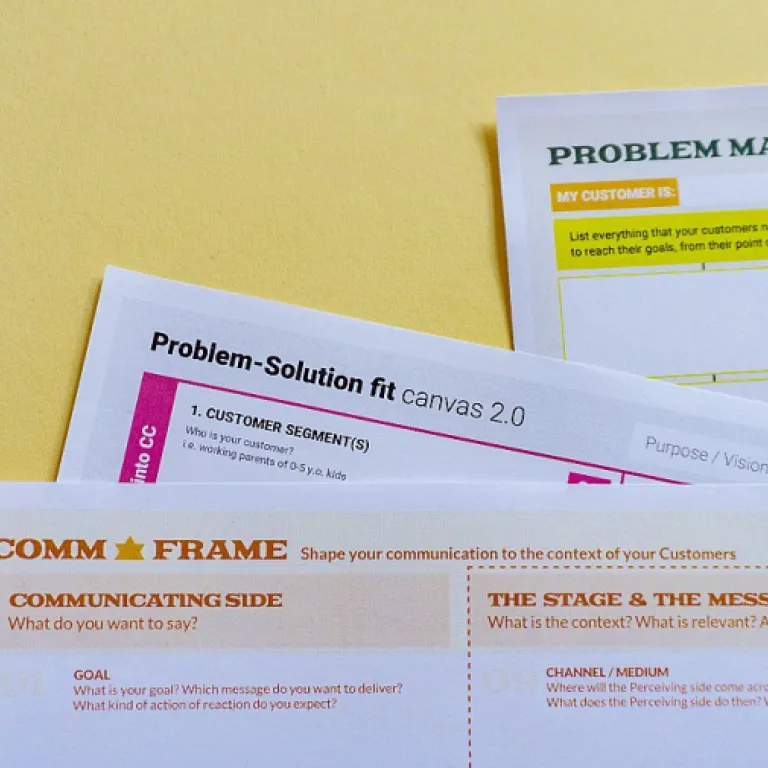
Understanding the role of creativity in strategic leadership
Why Creative Thinking Matters for Strategic Leadership
In today’s fast-changing business landscape, creativity is no longer a nice-to-have for executives—it’s essential. Strategic leadership depends on the ability to find new solutions, adapt to shifting markets, and inspire teams to innovate. A creativity workshop can be a powerful way to jump start this process, helping leaders learn how to approach problems from fresh angles and build a culture where good ideas thrive.
Many executives recognize the need for innovation, but translating that into daily work can be challenging. Creative thinking is not just about brainstorming; it’s about learning to identify patterns, challenge assumptions, and see opportunities where others see obstacles. Through hands-on workshop experiences, participants will learn practical tools and exercises that help develop these skills. For example, a day workshop might include activities that encourage play process and process product thinking, helping teams move beyond traditional problem solving.
One of the key benefits of a creativity workshop is the opportunity for professional development in a focused, supportive environment. Workshop participants will walk through real-world scenarios, sharing experiences and learning from each other. This collaborative approach helps build trust and encourages open communication, which are critical for effective strategic leadership. Over time, these experiences can lead to a more innovative team and better business outcomes.
- Executives will learn how to foster creative projects within their teams
- Workshops provide lifetime access to new ways of thinking and problem solving
- Participants gain practical experience that can be applied immediately to their work
For CEOs looking to enhance their strategic leadership, investing in a creativity workshop is a smart move. It’s not just about learning new techniques—it’s about transforming the way leaders and teams approach challenges. For more on how strategic growth can be shaped at the executive level, explore this insightful look at strategic growth for CEOs.
Designing an effective workshop on creativity for executives
Structuring a Creativity Workshop for Executives
Designing a creativity workshop for executives is not just about scheduling a day of brainstorming. It’s about creating an environment where leaders can learn, experiment, and challenge their usual ways of thinking. The goal is to help participants find new approaches to problem solving and innovation, which can later be integrated into the company’s strategic planning. A well-structured workshop should include:- Clear objectives – Define what participants will learn and how it will help develop their creative process. For example, will the workshop focus on building creative confidence, or on applying creative thinking to real business challenges?
- Interactive exercises – Include activities that encourage play, experimentation, and reflection. These exercises will walk participants through the creative process, from identifying problems to generating good ideas and evaluating solutions.
- Diverse experiences – Draw on a mix of professional development tools, case studies, and creative projects. This helps participants learn from different industries and experiences, making the learning more relevant and memorable.
- Expert facilitation – Teachers or facilitators with experience in creativity and innovation can guide the team, ensuring that the workshop stays focused and productive.
- Practical outcomes – Ensure that each workshop participant leaves with actionable insights and a plan to apply creative thinking in their daily work.
Overcoming barriers to creative thinking in the C-suite
Common Obstacles to Creative Thinking at the Executive Level
Many executives recognize the value of creativity, but putting it into practice can be challenging. In a workshop setting, participants often encounter barriers that limit their creative process. These obstacles can include risk aversion, time constraints, and established routines that discourage experimentation. When leaders are used to proven methods, it can be difficult to break away and try new approaches. The pressure to deliver results quickly may also discourage creative projects that require more time to mature.
Practical Exercises to Break Down Barriers
During a creativity workshop, exercises are designed to help participants identify and overcome these challenges. For example, a simple problem-solving activity can encourage executives to step outside their comfort zones and approach issues from different perspectives. This type of exercise will help develop flexible thinking and encourage innovation. By sharing experiences and learning from each other, workshop participants can build trust and foster a sense of psychological safety, which is essential for creative work.
- Role-play scenarios to simulate real-world challenges and encourage new solutions
- Group brainstorming sessions to generate good ideas and learn how to evaluate them
- Reflection activities to help participants learn identify personal barriers to creativity
Building a Supportive Environment for Creative Growth
Creating a culture where creativity can thrive requires more than a one-day workshop. It is about building habits and mindsets that support innovation over time. Professional development programs, ongoing learning opportunities, and regular creative exercises can help students and executives alike sustain their growth. For example, a weeks workshop with lifetime access to resources allows participants to revisit lessons and apply new strategies as they face future challenges.
Ultimately, the experience of a creativity workshop can jump start a shift in thinking at the top levels of an organization. By addressing barriers head-on and providing practical tools, companies can unlock the creative potential of their leadership teams. For more on how creative thinking shapes strategic decisions, explore this insightful analysis of portfolio strategy.
Integrating creative insights into strategic planning
Turning Creative Insights into Strategic Moves
After a creativity workshop, the real challenge for executives is to move from inspiration to action. The creative process doesn’t end when the day workshop is over. Instead, it’s about translating those fresh ideas and new ways of thinking into concrete steps that shape company strategy.
- Apply learning immediately: Encourage workshop participants to identify one or two creative projects or problems they can tackle right away. This helps build momentum and keeps the energy from the workshop alive.
- Embed creative exercises in planning: Use exercises from the creativity workshop during regular strategic planning sessions. For example, techniques that help students and executives challenge assumptions or reframe problems can spark good ideas and innovation.
- Foster team collaboration: Creative thinking thrives in diverse teams. Bring together participants from different departments to work on strategic challenges. Their varied experiences will help develop richer solutions and foster a culture of innovation.
- Document and share insights: Capture the best ideas and learning from the workshop. Make these resources available for lifetime access so that teams can revisit and build on them over time.
Executives will learn that integrating creative insights is not a one-time event. It’s a process product that requires ongoing commitment. By making creativity a regular part of strategic discussions, leaders can jump start innovation and help teams find new ways to solve problems. Over weeks workshop or even months, this approach helps sustain the benefits of professional development and ensures that creative thinking becomes a core part of how the company works.
Measuring the impact of creativity workshops on company performance
Tracking the Value of Creative Initiatives
Measuring the impact of a creativity workshop on company performance is essential for CEOs and strategy leaders. While creativity is often seen as intangible, there are practical ways to assess how creative thinking translates into business results. The key is to connect the workshop experience to real-world outcomes over time.
- Short-term indicators: After a day workshop, look for immediate changes in team engagement, willingness to share good ideas, and the energy participants bring to creative projects. Workshop participants often report increased confidence in problem solving and a stronger sense of collaboration.
- Mid-term outcomes: Over the weeks following the workshop, track how teams apply what they learn. Are they using new creative process tools? Do they approach problems differently? Feedback forms, follow-up surveys, and team debriefs can help identify shifts in thinking and work habits.
- Long-term impact: The real test is whether the creative mindset becomes part of the company’s DNA. Monitor innovation metrics, such as the number of new product ideas, speed of project delivery, or the quality of solutions to complex problems. Look for evidence that the workshop helped build a culture where creative thinking is valued and sustained.
Tools and Methods for Assessment
To help develop a robust measurement approach, consider combining qualitative and quantitative data. For example, workshop participants can complete self-assessments before and after the learning experience. Teams can also track the number of creative projects launched or the frequency of creative exercises in meetings. Over time, these indicators reveal how the workshop has influenced professional development and innovation capacity.
Some companies use a process product framework to evaluate both the journey and the results. This means looking at how teams play process roles during creative exercises and what tangible outcomes emerge. Teachers and facilitators can also observe how students and participants engage, providing valuable feedback on the effectiveness of the workshop design.
Making Creativity a Strategic Asset
Ultimately, the goal is to ensure that the investment in creativity workshops delivers lasting value. By tracking progress from the first day workshop to months or even years later, leaders can find patterns that link creative learning to business growth. Lifetime access to workshop materials and ongoing support can help sustain momentum, ensuring that the creative process remains a core part of strategic planning and execution.
Sustaining a culture of creativity beyond the workshop
Building Everyday Creative Habits
After a creativity workshop, the real challenge is making creative thinking part of daily work. It’s easy for the energy from a day workshop to fade as routines take over. To help workshop participants keep their creative momentum, companies should encourage regular creative exercises. These can be short problem-solving sessions, team brainstorms, or even quick challenges that help develop new ways of thinking. Over time, these habits help teams learn to identify opportunities for innovation and approach problems with fresh perspectives.
Fostering a Supportive Environment
For creativity to thrive, leaders must create an environment where experimentation is valued and mistakes are seen as learning experiences. This means giving teams the space to work on creative projects, recognizing good ideas, and providing feedback that helps students and employees grow. Leaders who model curiosity and openness will walk the talk, showing that creative process is as important as the final product.
Continuous Learning and Professional Development
Creativity is not a one-time event. Companies that offer ongoing professional development, such as follow-up workshops or lifetime access to learning resources, help employees build on their workshop experience. Regular check-ins, sharing of creative experiences, and celebrating innovation can keep the momentum alive. Over weeks, workshop participants will learn to integrate creative thinking into their roles, making innovation a natural part of the company’s culture.
- Encourage teams to play with new ideas and approaches
- Offer time and space for creative exploration
- Support learning from both successes and failures
- Provide access to teachers or mentors who can guide the creative process
By making creativity a continuous journey, companies can ensure that the benefits of a creativity workshop last far beyond a single day. This approach helps teams find new solutions, adapt to change, and drive long-term innovation.